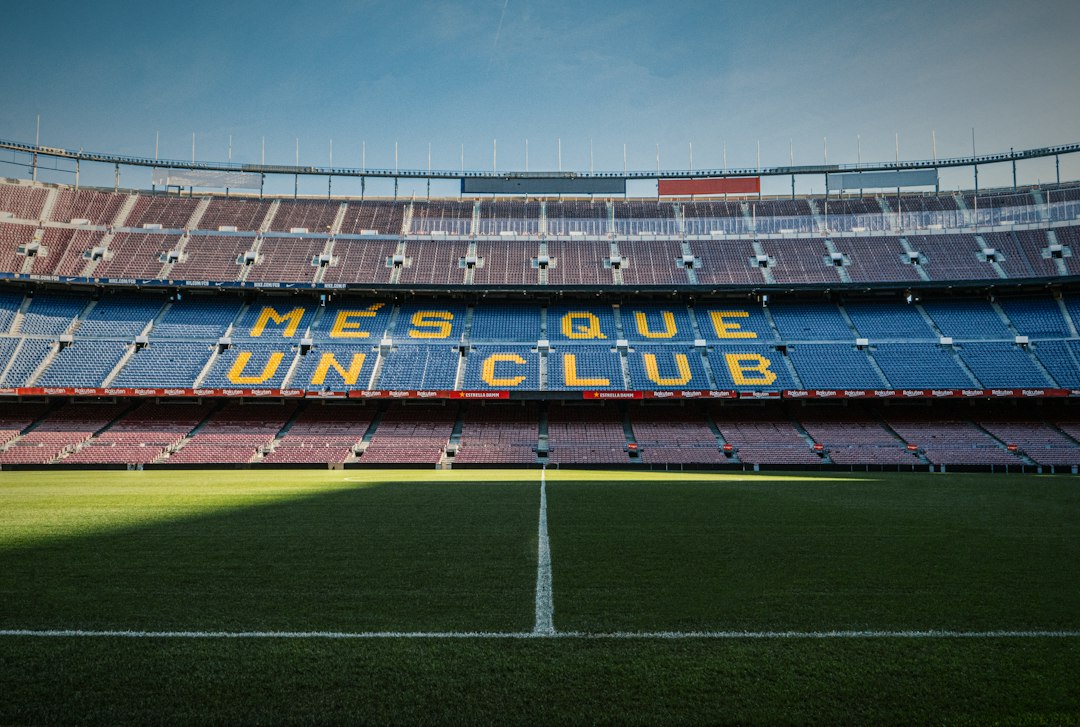
Champions League nights carry a different energy. The stadium lights, the anthem, the sense that anything can happen — and that unpredictability is exactly what makes Champions League predictions both thrilling and genuinely difficult to get right. As of October 14, 2026, we are deep into another group stage campaign, and bettors across Europe are already learning hard lessons about why this competition refuses to behave like a domestic league.
Table of Contents
This article breaks down the less-discussed mechanics behind making sharper Champions League predictions — not the obvious stuff you have read a hundred times, but the layered thinking that separates profitable bettors from those who simply guess.
Why Champions League Football Plays by Different Rules
Domestic league predictions rely heavily on form tables, squad rotation trends, and fixture congestion. Champions League predictions demand a different mental model entirely. Here is why.
First, motivation shifts dramatically depending on the group stage standing. A club already qualified with two games to spare will rotate heavily. A club on the edge of elimination suddenly transforms — managers pick their best lineup, press higher, take more risks. These motivation gaps are enormous price inefficiencies that bookmakers often undervalue.
Second, travel fatigue compounds across different continents. A Spanish club flying to Kyiv midweek then hosting a league game on Saturday arrives at the European fixture carrying accumulated stress that pure statistics never capture.
The Home Advantage Illusion in European Fixtures
Here is something that surprises many new bettors. Home advantage in the Champions League is statistically smaller than in domestic leagues. The reason is relatively simple — away sides in European football are better prepared for hostile atmospheres because they face similar conditions regularly. They also tend to be elite clubs with experienced squads who have learned to manage crowd pressure.
When you see a big home price for a Champions League match, probe the underlying motivation and squad strength before assuming the hosts will steamroll.
The Information Edge — What Most Bettors Ignore
Successful Champions League predictions are often decided in the 48 hours before kickoff, not in the days of headline analysis.
Press Conference Signals
Managers rarely lie outright in pre-match press conferences, but they obscure. Learning to read what is not said matters enormously. When a manager praises the opposition excessively, it sometimes signals a defensive setup is planned. When injury updates are vague and evasive, assume the key player will not start. Cross-reference official club injury lists with local sports journalists covering the club — reporters close to the training ground in Munich or Madrid often have fresher information than mainstream English-language outlets.
Lineup Confirmation Windows
Champions League rules require teams to submit squads in advance, but starting lineup leaks from training sessions often emerge through club-specific channels. Following local beat reporters on social platforms in the native language of the club gives you access to training observations hours before the official announcement. This small edge, repeated across a season, compounds into meaningfully better predictions.
Reading the Tactical Context Before You Predict
One of the most reliable frameworks for Champions League predictions involves mapping tactical mismatches before the bookmakers fully price them in.
Consider the classic high press versus low block scenario. A high-pressing side with an elite pressing trigger — think clubs built around intense gegenpressing structures — tends to dominate against teams who are technically comfortable on the ball at lower pressing intensities but collapse under sustained pressure. Identify whether the opposition has the technical composure to play through pressure or will buckle at the back.
Conversely, a well-organised low block from a smaller Champions League qualifier can neutralise a technically superior opponent for 70 minutes — meaning the value is often in the draw or both-teams-to-score markets rather than a comfortable home win.
Backing Systems, Not Occasions
The biggest psychological trap in Champions League betting is treating each match as a standalone dramatic event. The anthem plays, the hype builds, and bettors make emotional decisions attached to the spectacle.
Profitable bettors build a system. They track specific market efficiencies — such as Asian handicap lines in matches involving clubs with high squad depth differentials — and apply the same logic consistently across multiple fixtures. Over a 32-match group stage campaign, system bettors outperform occasion bettors because they remove emotional noise.
Markets That Offer Real Value in the Champions League
The match result market is the most heavily traded and therefore the hardest to find genuine value in. Bookmakers dedicate enormous resources to pricing the 1X2 market accurately. Savvy bettors look elsewhere.
First half versus full match results: Champions League knockout teams often start cautiously and attack in the second half once they understand the opponent’s structure. This creates recurring patterns in first-half scoreline markets that are priced at average league assumptions rather than European-specific tendencies.
Both teams to score markets: In the group stage, clubs chasing points are more open and take risks. BTTS rates in the Champions League group stage consistently outperform comparable domestic averages. Check historical head-to-head data specific to European fixtures — a club that keeps clean sheets domestically may have a very different defensive record in European competition.
Goalscorer markets: Penalty takers, set-piece specialists, and second-half substitutes who are deployed specifically to press and create often provide better goalscorer value than the starting centre-forward who is tightly marked from the first whistle.
Time of first goal: In high-pressure group stage deciders, the first goal often arrives later than in domestic football as both sides are cautious early. Markets offering over ten minutes for the first goal can hold value in specific fixture types.
Spending ten minutes mapping these secondary markets before kickoff, rather than defaulting to the match result, will improve your Champions League predictions significantly over a full season.
Frequently Asked Questions
What is the best market for Champions League predictions?
Beyond the basic match result, both teams to score and Asian handicap markets often carry better value in Champions League fixtures because they account for open, high-stakes football where both sides are motivated to attack.
How important is squad rotation for Champions League predictions?
Extremely important. Clubs already qualified or with a comfortable group stage lead rotate heavily. Always check official team news and press conference signals in the 24 to 48 hours before kickoff.
Are home advantage odds reliable in the Champions League?
Less so than in domestic leagues. Home advantage is statistically smaller in European football, so inflated home prices based purely on venue should be treated with caution.
How do I find better pre-match information for Champions League games?
Follow local beat reporters and club-specific journalists in the native language of the competing clubs. Training ground observations and close-source injury updates often appear there before mainstream coverage.
Should I use the same prediction approach for group stages and knockouts?
No. Group stage fixtures involve more tactical caution and rotation considerations. Knockout rounds bring higher emotional stakes, clearer team selections, and often more open second halves after tactical adjustments.
BetsVendor is stocked with fresh football predictions — visit the homepage and place smarter bets.